Professional Experience

For more than 20 years, I have had the opportunity to learn, teach, research, present, and collaborate with professionals, educators, schools, and families. These experiences have shaped both my professional expertise and the way I approach my work today. Below, you’ll find a selection of my publications and scholarship, presentations and speaking engagements, as well as reflections from professionals, educators and participants who have benefited from these experiences. For a complete curriculum vitae or additional information about my professional experience, please feel free to reach out.
Publications & Scholarship
Johnson, W. L., Reece, J.L., and Feifer S. G. (2026). Training Emergent Practitioners to Work with Adopted Children and Families through a Trauma-Sensitive Paradigm. School Psychology Training and Pedagogy, 41(3), 13-24.
Johnson, W. L. (2025, September 8). Creating a supportive classroom for students with childhood trauma. The Teaching Professor.
Johnson, W. L. & Skierwierski, A. L. (2025). Formalized Training and Specialization in School Neuropsychology. Communique, 53 (6), p. 24-26
Maricle, D., Miller, D., Bedford, C., Gettman, J., & Johnson, W. L. (Eds.). (2025). Understanding and Managing Neurodevelopmental Disorders in Children and Adolescents: A Pediatric Treatment Guide. Routledge- Taylor & Francis Pub.
Johnson, W. L., Maricle, D. & Goh, H. (2025). Prematurity and Related Complications. In D. Maricle, D. Miller, C. Bedford, J. Gettman, & W. Johnson (Eds.) Understanding and Managing Neurodevelopmental Disorders in Children and Adolescents: A Pediatric Treatment Guide. Routledge- Taylor & Francis Pub.
Maricle, D., Miller, D., Gettman, J., Bedford, C., & Johnson, W. L. (2025) Advancing Practice in Neurodevelopment (Chapter 1). In D. Maricle, C. Bedford, J. Gettman, Miller, D. C., Johnson, W. L., Reece, J. L., & Feifer, S. G. (2026). Training Emergent Practitioners to Work with Adopted Children and Families through a Trauma-Sensitive Paradigm. School Psychology Training and Pedagogy, 41(3), 13-24.
Gettman, J., Maricle, D., Miller, D., Bedford, C., & Johnson, W. L. (2025) Advancing Practice in Neurodevelopment: Best Practice Skills (Chapter 2). In D. Maricle, C. Bedford, J. Gettman, Miller, D. C., & Johnson, W. L. (Eds.) Understanding and Managing Neurodevelopmental Disorders in Children and Adolescents: A Pediatric Treatment Guide. Routledge- Taylor & Francis Pub.
Sullivan, A., Vas, A., & Johnson, W. L. (2024). Transition to Adulthood: Executive Functions and Independent Living Skills in Autistic Young Adults. Occupational Therapy in Health Care, 1-22.
Reece, J. L, Johnson, W. L., Dunlap, J. J., &Honargohar, M. (Online December 2023, Print February 2024). An Updated Guide to Autism Screening: A Primer for Nurse Practitioners. The Journal for Nurse Practitioners, 20 (2), 1-4. https://doi.org/10.1016/j.nurpra.2023.104896.
Johnson, W. L., & Maricle, D. (2022). Assessing and Intervening with Children with Executive Function Disorders. In D. Miller, D. Maricle, C. Bedford, & J. Gettman (Eds.) Best Practices in School Neuropsychology: Guidelines for effective practice, assessment, and evidence-based intervention - 2nd edition. John Wiley & Sons, Inc.
Feifer, S. G., & Johnson, W. L., (2022). The Neuropsychology of Trauma: Best Practices in Assessment and Intervention. In D. Miller, D. Maricle, C. Bedford, & J. Gettman (Eds.) Best Practices in School Neuropsychology: Guidelines for effective practice, assessment, and evidence-based intervention - 2nd edition. John Wiley & Son, Inc.
Paulman, B. E., Johnson, W. L., Roberts, H., & Shierk, A. (May 2022). Cognitive Assessment in Early Childhood for Unilateral Cerebral Palsy. Communique, 50 (7), p. 4-8
Johnson, W. L., Hagler, H., Pitts, J., King, O., & Paulman, B. (August 2021). Assessment of Autism: What Parents Should Know, Autism
Johnson, W. L. & *Skinner, A. (May 2021). Becoming mom- Transitions to Motherhood as a School Psychologist. Communique, 49 (7), Featured Article page 1, 31-3
Presentations & Trainings
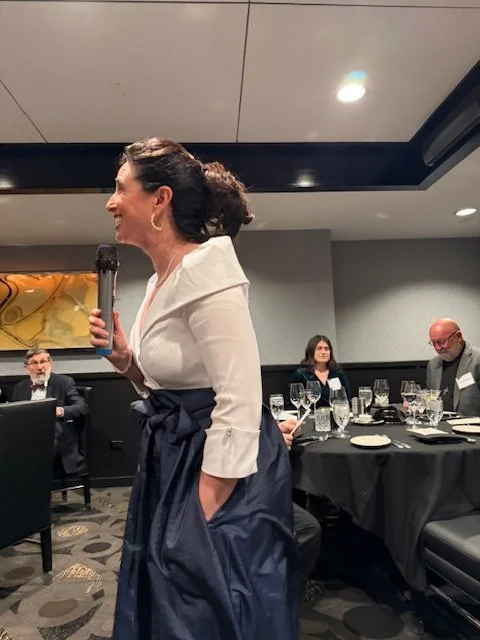
Johnson, W. L. (2026, March). Prematurity and the Developing Brain: From Neurological Risk to Learning Success. Invited 3 hour presentation at the School Neuropsychology Conference.
Johnson, W. L. (2026, January). Differential Eligibility in School Psychology: Distinguishing AU from OHI and ED - Bridging the Challenges in Difficult Eligibility Decisions. Invited 3 hour recorded webinar for the School Neuropsychology Institute.
Johnson, W. L. (2025, March). Executive Functioning Across the Lifespan. Invited Keynote address for the Southwestern Psychological Association (SWPA), Little Rock, AR
Honargohar, M., Murray, X., Goh, H. & Johnson, W. L. (2025, February).Sifting through alphabet soup: Differentiating AU, ED, and OHI Eligibilities. Mini-skills presentation given at the National Association of School Psychologists Conference, Seattle, WA
Goh, H. & Johnson, W. L. (2025, February).Autism Spectrum Disorder Comorbidities and Age. Poster presentation given at the National Association of School Psychologists Conference, Seattle, WA.
Johnson, W. L. (2024, September). Dysregulated Youth: Supporting and Understanding Challenging Emotions and Behaviors. Cook Children’s The Center for Children’s Health - WATCH Wellness Workshop. Invited talk to area practitioners, Denton, TX.
Johnson, W. L. and Honargohar, M. (2024, February). Developing Effective Research Mentorship Strategies: A Doctoral Dissertation Program Sequence Model. Poster presentation given at the Trainer’s of School Psychology Conference, New Orleans, L.A.
Johnston, T.,Honargohar, M., Johnson, W. L. and DellaNeebia, A. M. (2024, February). Sifting through alphabet soup: Differentiating AU, ED, and OHI eligibilities. Skills presentation given at the National Association of School Psychologists Conference, New Orleans, L.A.
Johnson, W. L. (2023, May). Treatment Options and Takeaways: Cook Children’s The Center for Children’s Health - WATCH Wellness Workshop. Invited talk to area practitioners, Denton, TX.
Reece, J. & Johnson, W. L. (2023, February). Supporting Adoptive and Foster Care Families: Training Emergent Practitioners through a Trauma Sensitive and Culturally Competent Lens. Poster presentation at the Trainers of School Psychology Conference, Denver, CO
Khosraviyani-Wang, A., Johnson, W. L.,& Skinner, A. (2023, February). Mothers in Academia: Balancing Roles and Mental Health. Poster presentation at the Trainers of School Psychology Conference, Denver, CO
Johnson, W. L. (2023, January). Trauma, Behavior and the Brain: Identification, Differentiation, and Intervention. Keynote Speaker for DFW RASP to 200 attendees.
Johnson, W. L., & Reece, J. (2022, February). Establishing a University Based Assessment Clinic: Benefits and Challenges for School Psychology Programs. Poster presentation at the Trainer's of School Psychologist Conference, Boston, MA
Johnson, W. L., King, O., Paulman, B., Hammer, J., & Hagler, H. (2022, February). Differential Diagnosis of Autism and Applied Practice. Mini-skills presentation at the National Association of School Psychologists Conference, Boston, MA
Hagler, H., Reece, J., & Johnson, W. L. (2022, February). VSM in a Virtual World. Mini Skills presentation presented at the National Association of School Psychologists Annual Conference, Boston, MA
Feedback from Participants
“She communicates very clearly, presents in a surprisingly thorough manner and offers so much guidance in the way we must navigate the ever-changing demands in this field. I really appreciate her as a presenter and as a Mom as well.”
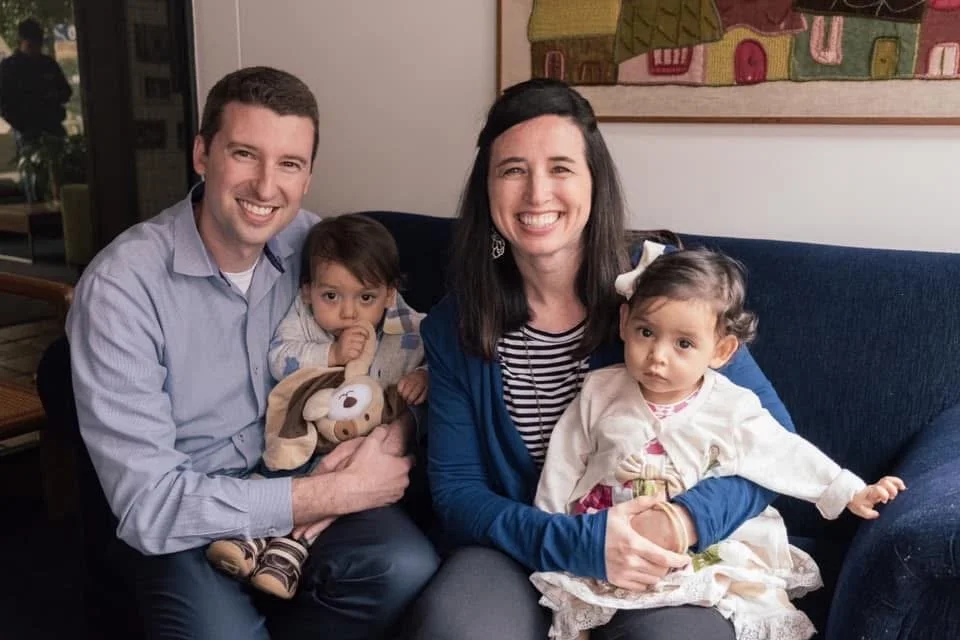
“This was one of my all-time favorite presentations within the School Neuro-Psychology platform. It combined both the neuroscience and practical implications on a very important topic. This topic is one that I did not know very much previously. Thanks so much!!”
“By the way, this morning’s presenter is fabulous. I really appreciate her expertise. It’s something I speak to in my evaluations but not with a lot of training/background in this. I also get challenged a lot of why am I bringing up that information for a teen. Her presentation will help my responses to those questions. I will share this information with colleagues. This was a highly professional, engaging, and relevant presentation. I am in awe of the presenter given her personal professional accomplishments and her motherhood of 4 children, including twins from another country. Bravo.”
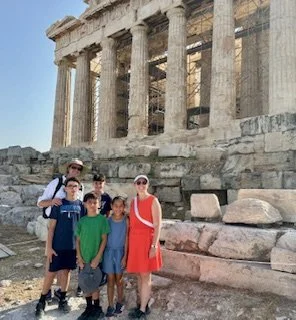
“Dr. Johnson’s personal experiences were helpful in contextualizing the issues with prematurity. It was illuminating to hear from someone who is not only an expert in their field, but who has personal experience with this issue. Thank you for adding so much of your personal experience to your presentation. Absolutely wonderful to have both the professional and personal experience to build upon! Brilliant.”
“I attended your presentation and thought it was well done. I especially enjoyed how you recognized the milieu of difficulties faced by families in these circumstances. Thank you for advocating for children with complex developmental histories.”